Managing Swelling and Discomfort After Hair Transplant Surgery
Proven techniques to minimize forehead swelling, reduce discomfort, and speed your recovery in the first week after surgery.

Swelling after a hair transplant is one of the most common post-operative experiences, and for many patients it is also one of the most unexpected. Whether you have undergone an FUE hair transplant or a FUT procedure, some degree of swelling in the forehead and around the eyes is a normal part of the healing process. Understanding why it happens, when to expect it, and how to manage it effectively can make the difference between an uncomfortable recovery and a smooth one.
At Bellevue Hair Doctor, we prepare every patient for the possibility of post-operative swelling and provide a comprehensive set of strategies to minimize it. This guide shares those techniques so you can approach your recovery with confidence and practical knowledge.
Why Does Swelling Happen After Hair Transplant Surgery?
Post-transplant swelling is primarily caused by the tumescent fluid used during the procedure. During both FUE and FUT surgeries, a solution of saline mixed with a local anesthetic (typically lidocaine) and sometimes epinephrine is injected into the scalp. This tumescent solution serves several critical purposes: it numbs the surgical area, reduces bleeding, and creates a cushion of fluid that makes it easier for the surgeon to work with individual follicular units.
A significant volume of this fluid is injected during the course of a hair transplant, particularly in procedures involving a large number of grafts. After surgery, this fluid does not simply disappear. Instead, gravity causes it to migrate downward from the scalp over the following days. Because the forehead sits directly below the hairline, it is the first area where the descending fluid accumulates, causing visible puffiness and swelling.
In some patients, the fluid continues to travel further downward, reaching the upper eyelids, the bridge of the nose, and occasionally the area under the eyes. This is why some patients wake up on day three or four with puffy eyes that may feel heavy or difficult to open fully. While the appearance can be alarming, it is important to understand that this is a mechanical process related to fluid migration, not a sign of infection or complication.
The Swelling Timeline: What to Expect Day by Day
Knowing the typical swelling timeline helps you plan your recovery and reduces anxiety when changes occur. While every patient is different, the following pattern holds true for the majority of cases:
| Day | What to Expect | Severity |
|---|---|---|
| Day 1 | Minimal swelling; scalp feels tight and numb from anesthesia | Mild |
| Day 2 | Swelling begins in the forehead; mild puffiness above the brows | Mild to moderate |
| Day 3 | Swelling typically peaks; forehead noticeably puffy, may extend to upper eyelids | Moderate to significant |
| Day 4 | Swelling remains near peak or begins to plateau; eyelid puffiness possible | Moderate to significant |
| Day 5 | Swelling begins to subside; bruising may appear as fluid disperses | Moderate |
| Days 6-7 | Noticeable improvement; most swelling has resolved | Mild |
| Days 8-10 | Residual puffiness resolves; face returns to normal appearance | Minimal to none |
The peak swelling window of days three through five is the period that catches most patients off guard. Even patients who have been thoroughly briefed about what to expect sometimes feel concerned when they see pronounced forehead swelling or puffy eyes in the mirror. Rest assured that this is temporary and typically resolves completely within seven to ten days.
The Ice Pack Protocol
Cold application is one of the most effective and immediate strategies for reducing post-transplant swelling. However, it must be applied correctly to be helpful without inadvertently harming the grafts.
Where to Apply Ice
Apply ice packs or cold compresses to the forehead and the area above your eyebrows. Never place ice directly on the transplanted area itself, as the extreme cold can damage the delicate new grafts. The goal is to intercept the fluid as it migrates downward from the scalp by cooling the forehead, which helps slow fluid accumulation and reduce inflammation in the tissues.
How to Apply Ice Safely
- Wrap ice packs or bags of frozen peas in a thin, clean cloth or towel to prevent direct skin contact, which can cause ice burns
- Apply the cold compress for fifteen to twenty minutes at a time
- Rest for fifteen to twenty minutes between applications to allow the skin to return to normal temperature
- Repeat this cycle as often as possible during waking hours for the first three to four days
- Gel-based cold packs that mold to the contours of your forehead tend to be more comfortable and effective than rigid ice packs
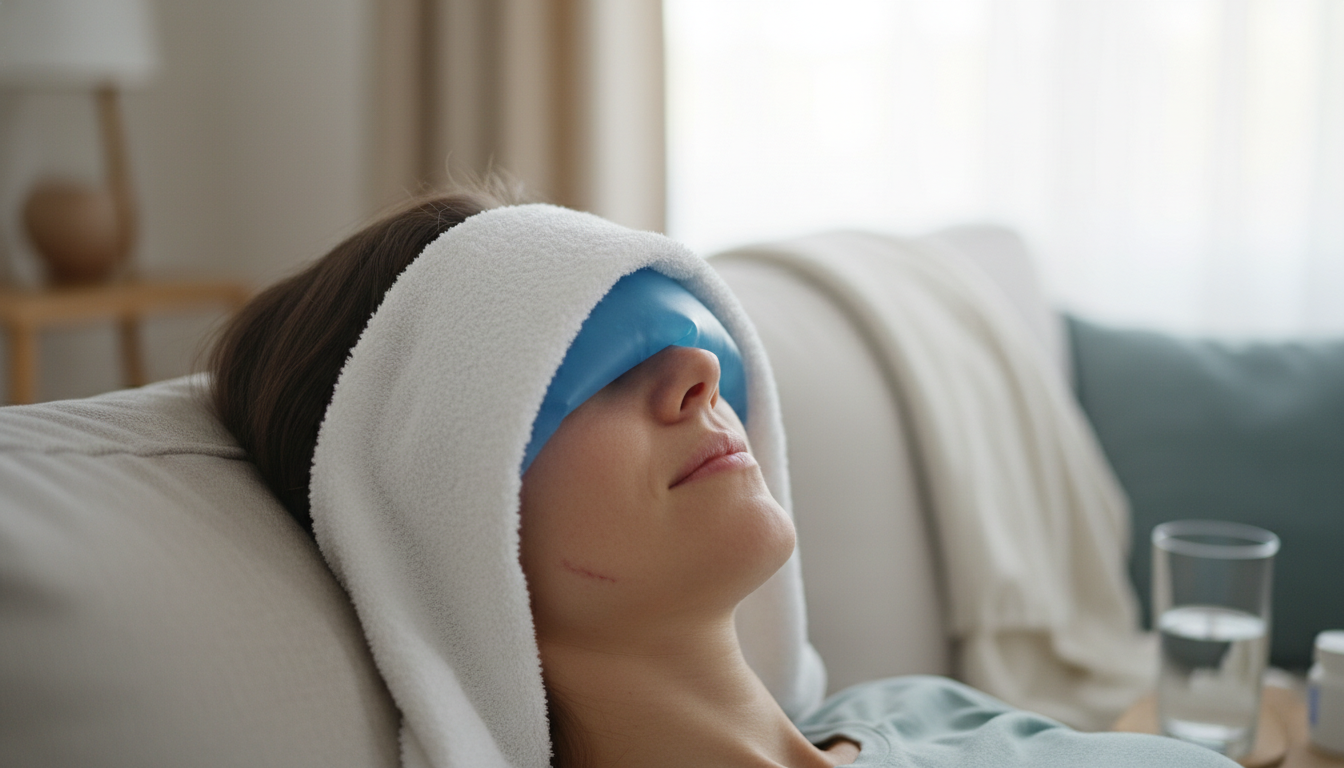
"Consistent ice application during the first seventy-two hours is the single most effective measure patients can take to minimize swelling. Those who ice diligently almost always experience less pronounced swelling than those who skip this step."
Sleeping Elevated: A Critical Swelling Reducer
How you sleep during the first week after surgery has a profound effect on how much swelling develops. When you lie flat, gravity distributes fluid evenly throughout the head and face, which worsens forehead and eyelid swelling. Sleeping in an elevated position, with your head and upper body raised at approximately thirty to forty-five degrees, uses gravity to your advantage by encouraging fluid to drain away from the face rather than pooling in it.
How to Sleep Elevated Comfortably
- Recliner chair: Many patients find that sleeping in a recliner for the first three to five nights is the most comfortable option. The built-in recline angle naturally keeps the head elevated.
- Wedge pillow: A foam wedge pillow placed under your regular pillow creates a gentle incline that elevates your head and torso. These are widely available and relatively inexpensive.
- Stacked pillows: If you do not have a wedge pillow or recliner, stacking two to three firm pillows to create an elevated angle works adequately. The key is to ensure the elevation is maintained throughout the night, so position the pillows in a way that prevents you from sliding down into a flat position.
- Travel pillow: A U-shaped travel pillow around your neck can help stabilize your head position and prevent you from rolling onto your side during sleep, which could put pressure on the transplanted area.
For a complete guide on sleeping positions and techniques during recovery, see our detailed article on post-op care during the first 48 hours.
Medications for Swelling and Discomfort
Your surgeon will prescribe or recommend specific medications to help manage both swelling and any discomfort you experience. Following the medication schedule precisely is important for optimal comfort during recovery.
Oral Corticosteroids
Many hair transplant surgeons prescribe a short course of oral steroids, typically methylprednisolone or prednisone, in a tapering dose pack. These medications are powerful anti-inflammatory agents that significantly reduce post-operative swelling when started on the day of surgery or the day after. The course usually lasts three to six days. Take the full prescribed course even if you feel fine, as stopping steroids abruptly can cause a rebound effect.
Pain Management
Most hair transplant patients describe their post-operative discomfort as mild to moderate, more like a tightness or tenderness than sharp pain. For the majority of patients, over-the-counter acetaminophen (Tylenol) is sufficient to manage discomfort. Your surgeon may prescribe a stronger pain medication for the first day or two if needed.
It is important to avoid aspirin, ibuprofen (Advil, Motrin), naproxen (Aleve), and other NSAIDs during the first week unless specifically directed by your surgeon. These medications thin the blood and can increase bleeding at the surgical sites. Acetaminophen does not have blood-thinning properties, which is why it is the preferred pain reliever during hair transplant recovery.
Antihistamines
Some surgeons recommend an antihistamine such as diphenhydramine (Benadryl) during the first few days. Antihistamines can help reduce swelling by decreasing the body's inflammatory response and have the added benefit of promoting drowsiness, which helps patients rest during the critical early recovery period.
The Forehead Massage Technique
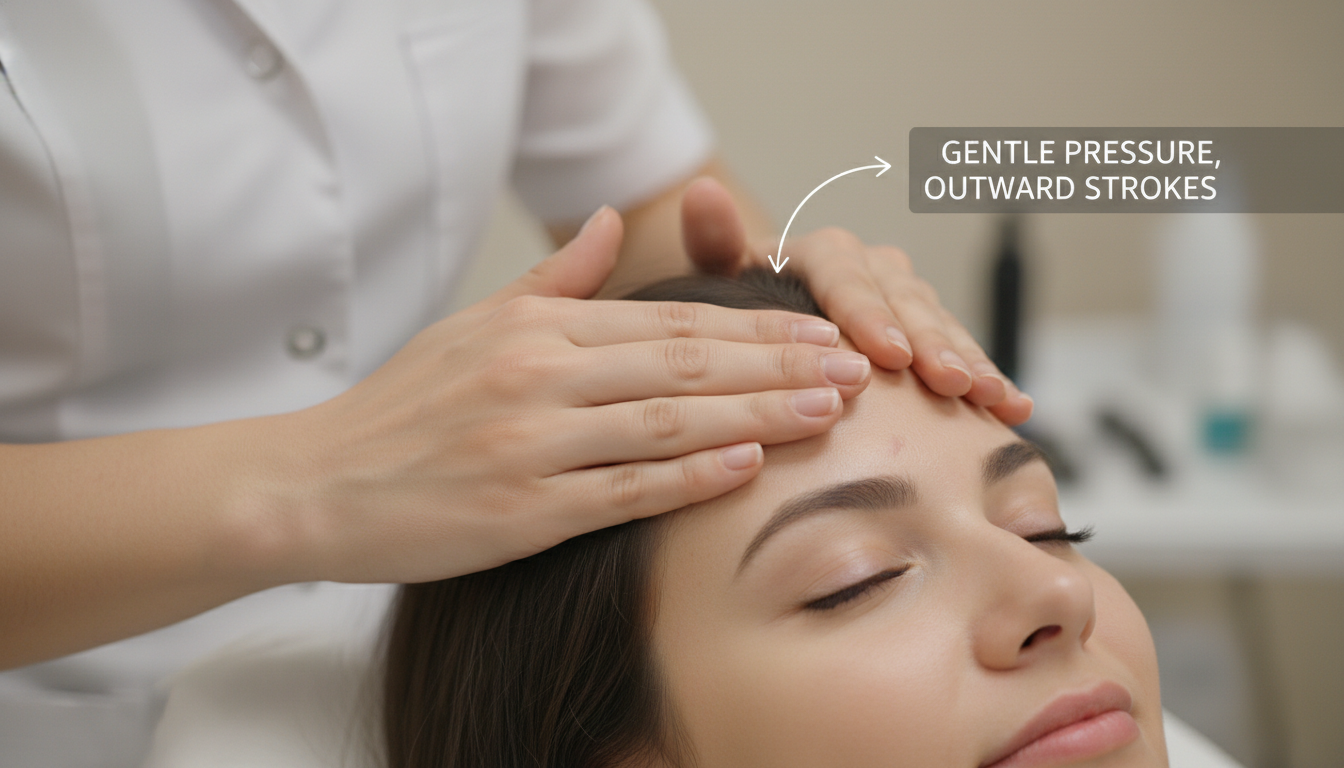
Starting around day two, you can use a gentle forehead massage technique to help move accumulated fluid away from the forehead and encourage drainage. This technique is simple but requires a careful approach to avoid transmitting any pressure to the transplanted area above.
How to Perform the Massage
- Wash your hands thoroughly before touching your face.
- Using your fingertips, apply gentle pressure to the center of your forehead, just above the eyebrows.
- Using slow, sweeping motions, press gently outward from the center of the forehead toward the temples on each side.
- Then sweep downward along the sides of the face toward the jawline and neck, encouraging the fluid to drain through the lymphatic channels in these areas.
- Repeat this sequence for two to three minutes, several times throughout the day.
- Keep your touch light and your motions slow. You should never press hard enough to cause pain or to visibly compress the skin significantly.
This massage is performed on the forehead and temples only. Do not massage or apply any pressure to the transplanted recipient area on the scalp. The goal is to work with the fluid that has already migrated to the forehead, guiding it toward the lymphatic drainage pathways on the sides of the face and neck.
Additional Strategies to Minimize Swelling
Stay Hydrated
It may seem counterintuitive, but drinking plenty of water actually helps reduce swelling. When you are well-hydrated, your body is more efficient at processing and eliminating excess fluid. Aim for at least eight to ten glasses of water per day during the first week. Avoid excessive salt intake, which promotes fluid retention and can worsen swelling.
Avoid Bending Over
Any position that puts your head below your heart increases blood flow and fluid accumulation in the face. During the first week, avoid bending over to pick things up, tying your shoes while standing (sit down instead), or performing any activity that requires you to lean forward significantly. If you need to retrieve something from the floor, bend at the knees and keep your head upright.
Limit Physical Activity
Strenuous exercise raises your blood pressure and heart rate, both of which can worsen swelling. Keep your activity limited to gentle walking during the first week. For detailed guidance on when and how to resume exercise, see our comprehensive guide on post-transplant hair care and activity restrictions.
Avoid Alcohol and Tobacco
Alcohol acts as a vasodilator, expanding blood vessels and increasing fluid leakage into tissues, which directly worsens swelling. It also thins the blood, increasing bleeding risk. Tobacco use restricts blood flow to the healing tissues, which slows recovery overall. Avoid both alcohol and tobacco for at least one week before and two weeks after your procedure.
Managing Discomfort Without Affecting Grafts
Beyond swelling, patients may experience several types of discomfort during the first week that need to be managed carefully to avoid disturbing the transplanted grafts:
Scalp Tightness and Tenderness
Both the donor and recipient areas will feel tight and tender for the first several days. This is a normal response to the surgical manipulation of the tissue. The prescribed pain medication should adequately control this discomfort. If you feel the need for additional relief, applying a cool (not cold) compress to the back of the neck can provide soothing comfort without affecting the grafts.
Itching
As the scalp begins to heal during the first week and into the second, itching can become quite pronounced. The formation and eventual loosening of scabs creates an itchy sensation that many patients find difficult to ignore. Under no circumstances should you scratch the transplanted area. Instead, manage itching through:
- Antihistamine medication as recommended by your surgeon
- Gentle application of saline spray to the itchy area
- The moisturizing spray or lotion provided in your post-operative care kit
- Distraction techniques: keeping your hands busy with other activities
Numbness
Some numbness in the donor area, the recipient area, or both is completely normal after hair transplant surgery. The local anesthetic used during the procedure affects the superficial nerves in the scalp, and it can take weeks to months for normal sensation to return fully. Most patients regain full sensation within three to six months. Numbness does not require treatment and does not indicate any problem with graft survival.
What Is Normal Versus When to Call Your Doctor
While swelling and discomfort are expected parts of the recovery process, certain signs warrant a call to your surgical team:
Normal and Expected
- Forehead swelling that peaks around days three to five and gradually improves
- Mild eyelid puffiness that may temporarily affect your vision
- Minor bruising in the forehead or around the eyes as swelling resolves
- Mild to moderate tightness, tenderness, and discomfort controlled by medication
- Scalp numbness that persists for several weeks
- Occasional mild headache during the first few days
Contact Your Clinic If You Experience
- Severe swelling that causes your eyes to swell completely shut and does not respond to ice and elevation
- Swelling that continues to worsen after day five rather than beginning to improve
- Significant pain that is not controlled by the prescribed medication regimen
- Fever above 101 degrees Fahrenheit (38.3 Celsius)
- Signs of infection: increasing redness, warmth, pus, or foul odor at the surgical sites
- Excessive or persistent bleeding from donor or recipient sites
- Any sudden change in vision beyond what is caused by mild eyelid swelling
At Bellevue Hair Doctor, our patients have direct access to our clinical team throughout their recovery. We encourage you to reach out with any concerns rather than waiting and worrying. In our experience, the vast majority of post-operative concerns turn out to be normal healing variations, but we would always rather hear from you early and reassure you than have you suffer in silence.
How Procedure Type Affects Swelling
The extent of swelling can vary depending on the type of procedure you have undergone. FUE procedures generally involve less tissue disruption than FUT (strip) procedures because individual follicles are extracted without a linear incision. However, FUE still requires significant tumescent fluid injection, so forehead swelling can still be substantial.
FUT procedures involve a longer incision in the donor area, which may produce additional localized swelling at the back of the scalp. The overall forehead swelling pattern is similar to FUE since both techniques use comparable volumes of tumescent fluid in the recipient area.
Patients who receive a larger number of grafts in a single session generally experience more swelling because more fluid is used during the procedure. This is one reason why some surgeons spread very large sessions across two days, allowing some fluid to be absorbed between sessions.
Recovery Is Temporary, Results Are Permanent
It is easy to feel discouraged during the first week when you are dealing with swelling, discomfort, and activity restrictions. But it is important to keep perspective: this phase is brief and fully temporary. The swelling resolves within seven to ten days. The discomfort fades within the first week. And the results of your hair transplant, the natural-looking, permanent hair growth, will continue to develop and improve over the following twelve months.
By following the swelling management techniques outlined in this guide, staying in communication with your clinical team, and giving your body the rest it needs, you set the stage for the best possible outcome. Every day that passes brings you closer to the full, natural-looking hair that you invested in.
Related Posts
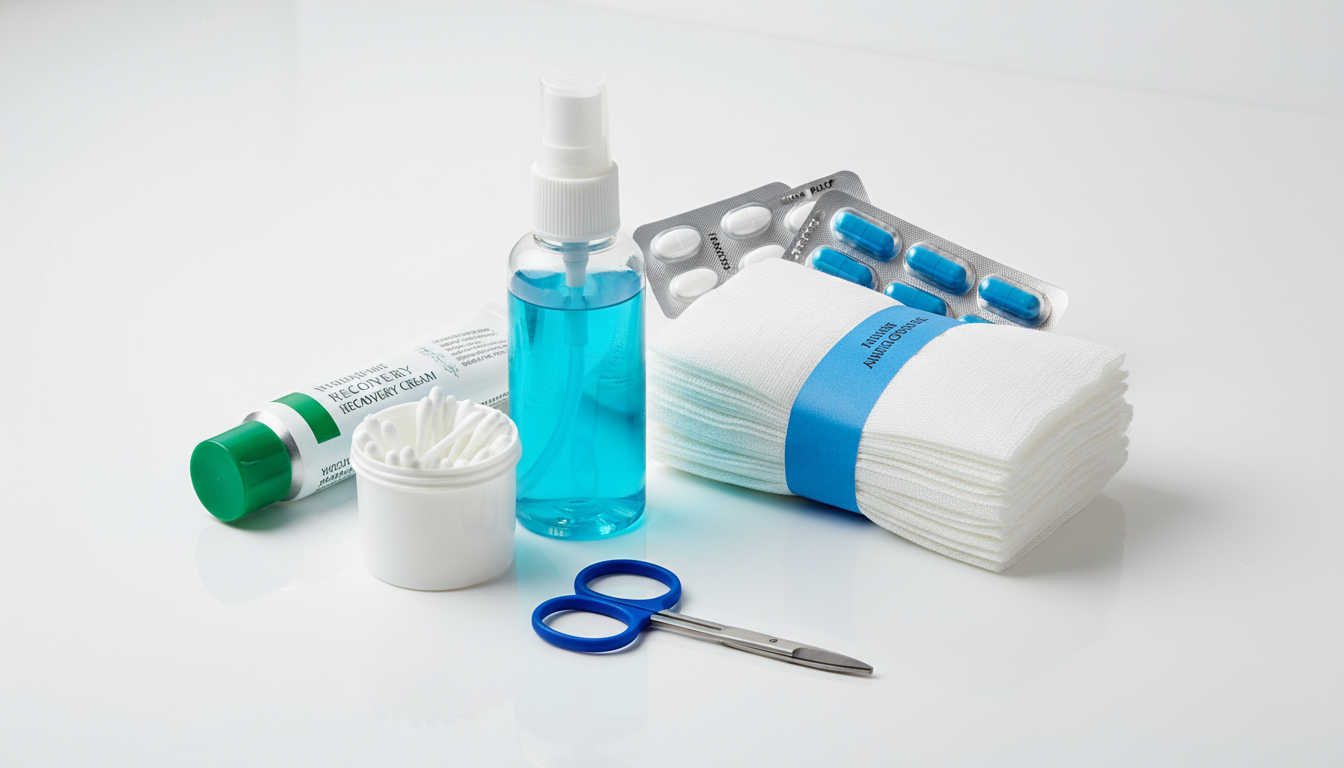
Post-Op Care: The First 48 Hours After Hair Transplant
Everything you need to know about the critical first two days after your hair transplant procedure.

How to Sleep After a Hair Transplant: Positions and Tips
The best sleeping positions and practical tips to protect your grafts and reduce swelling while you rest.
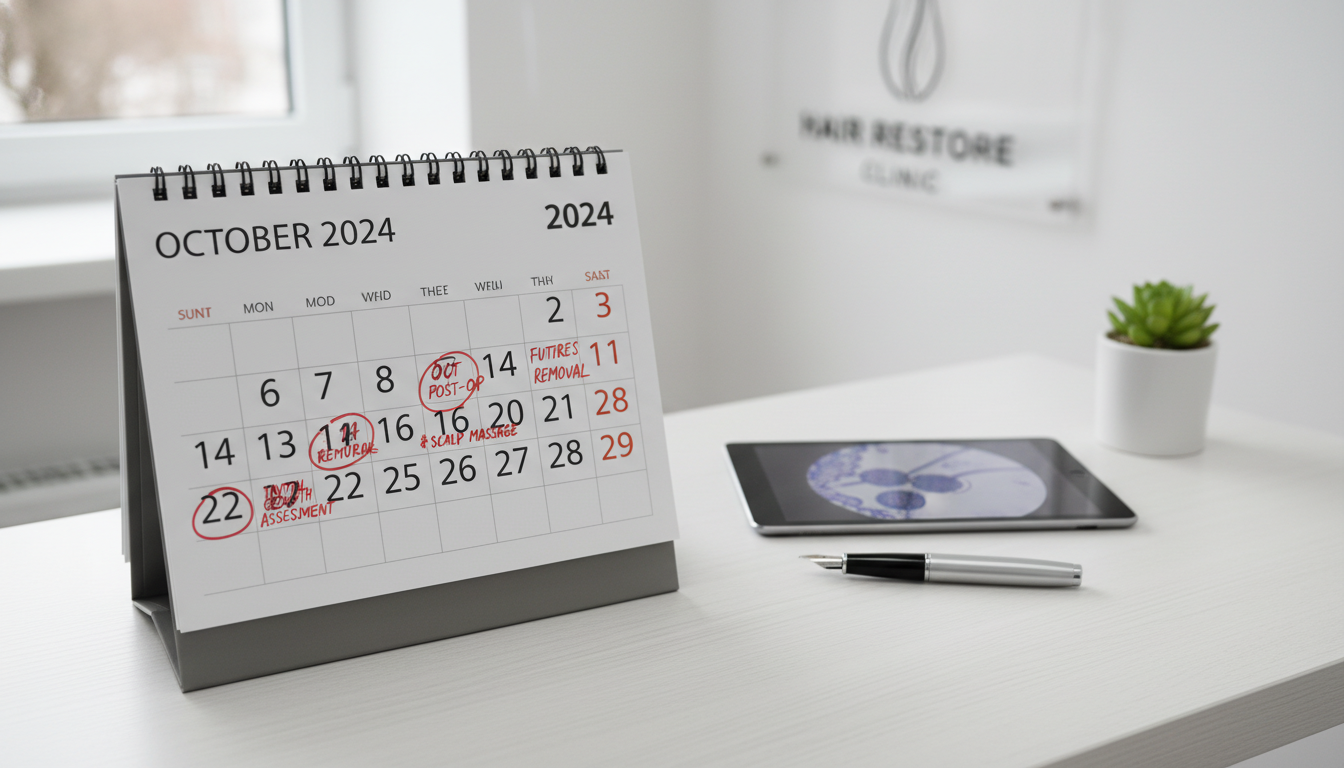
Hair Transplant Recovery Timeline: What to Expect Month by Month
A comprehensive month-by-month guide to hair transplant recovery, from day one through full results at twelve months.
Schedule Your Free Consultation
Our team provides personalized pre-operative guidance and comprehensive post-surgical support to ensure the smoothest possible recovery.